
When Grief Meets Practical Reality: Selling Your Home in Hamilton After Losing a Spouse
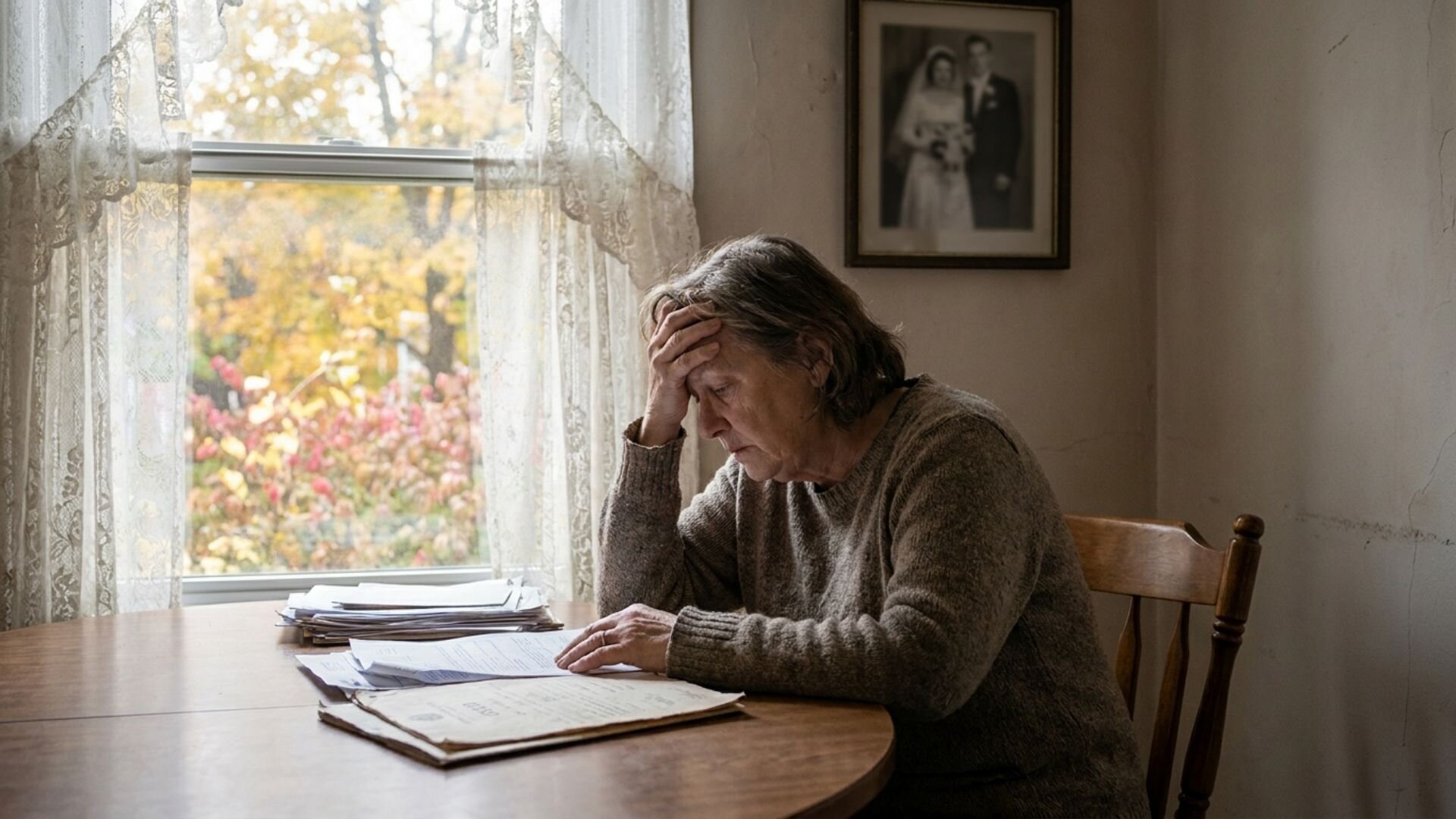
Losing a spouse is one of the most profound, disorienting experiences a person can go through. And yet, within weeks — sometimes days — of that loss, practical decisions begin pressing in from every side. One of the biggest is what to do with the family home.
Maybe you’re a widow on Barton Street East who can no longer afford the mortgage on one income. Maybe you’re a widower in Westdale who simply can’t bear staying in the house where you spent 30 years together. Maybe your spouse passed away with unresolved estate matters, and you’re not even sure whether you’re legally permitted to sell the property yet.
Whatever your situation, you’re not alone — and you have real options.
I’m Cassie, and at Hamilton House Buyers, we’ve walked alongside grieving homeowners across Hamilton — in Dundas, Crown Point, Stoney Creek, Ancaster, and dozens of neighbourhoods in between — helping them move forward with clarity and compassion. This guide is written for you: someone navigating one of life’s hardest chapters, who also needs honest, practical advice about what to do with the family home.
First: Take a Breath — You’re Not Under Pressure (Yet)
One of the first things we tell grieving homeowners is this: unless you’re facing a financial emergency like missed mortgage payments or a power of sale notice, there is rarely a reason to rush a major real estate decision in the first few weeks after a loss.
Grief impairs decision-making. Studies in bereavement psychology consistently show that cognitive functions — memory, planning, attention — are genuinely diminished in the acute stages of grief. Making a high-stakes financial choice while in this state can lead to regret.
That said, there are situations where timely action protects your financial position. If your spouse was the primary income earner and the mortgage payments can’t be sustained, or if the estate is complex with creditors making claims, waiting too long can cost you options. We’ll cover both realities in this guide.
Understanding Who Actually Owns the House Now
Before you can sell, you need to know who legally owns the property. In Ontario, this depends on how the property was registered and whether a will exists.
Joint Tenancy (Most Common for Married Couples)
Most married couples in Hamilton hold their home as joint tenants, which means that when one owner dies, ownership automatically passes to the surviving spouse by way of right of survivorship — no probate required.
In this case, you (the surviving spouse) become the sole owner. To sell the property, you’ll need to update the title at the Ontario Land Registry Office to reflect the change in ownership. Your real estate lawyer can handle this relatively quickly — typically within a few weeks — by registering a survivorship application along with a copy of the death certificate.
Tenants in Common
If the property was held as tenants in common, your spouse’s share of the property forms part of their estate and must go through probate before it can be transferred or sold. This is less common for primary residences but does happen — particularly in blended families or when couples kept finances more separate.
Sole Ownership
If the home was registered solely in your spouse’s name, you will likely need to go through the probate process in Ontario before you can sell, even if you are the named beneficiary in the will. This is one of the more complex situations, and we’ll cover it in more detail below.
If you’re uncertain how your home is registered, your real estate lawyer can pull the title from the Ontario Land Registry within minutes. This is the very first step we recommend before making any decisions.
The Probate Question: Do You Need to Go Through Probate to Sell?
Probate — officially called a Certificate of Appointment of Estate Trustee in Ontario — is the court process that legally validates a will and authorizes the estate trustee (executor) to administer the estate.
Whether or not you need probate to sell the family home depends on how the property is titled:
- Joint tenancy: No probate required. Surviving spouse takes ownership automatically.
- Tenants in common or sole ownership: Probate is generally required before the property can be sold.
Ontario’s probate process can take anywhere from a few months to well over a year depending on the complexity of the estate, outstanding debts, and court backlogs. If you’re in this situation and are facing mortgage pressure, it’s worth speaking with an estate lawyer about whether a buyer can be found and a sale conditional on probate approval can be structured — some cash buyers, including us, have experience purchasing in estate situations and can work within these timelines.
For a deeper look at how probate affects home sales in Hamilton, I’d recommend reading our guide on whether a house can be sold while in probate in Hamilton and our overview of the probate process for a house in Hamilton, Ontario.
Mortgage Considerations: What Happens to the Mortgage When a Spouse Dies?
This is one of the most urgent questions surviving spouses face — especially in Hamilton, where many homeowners carry significant mortgage balances.
In Ontario, when a co-borrower dies, the remaining borrower is still obligated to make the full mortgage payments. The mortgage doesn’t get paused for grief. If your spouse’s income was contributing to your ability to carry the mortgage, you may find yourself in a genuinely difficult position very quickly.
Here are a few things to know:
Mortgage Life Insurance
If you or your spouse purchased mortgage life insurance (either through your lender or privately), this policy may pay out the outstanding mortgage balance upon your spouse’s death. Check your documents or contact your lender immediately. This could change your financial situation dramatically.
Communicating with Your Lender
Most major lenders and credit unions have bereavement teams who can offer short-term deferrals or hardship accommodations while an estate is being settled. This isn’t guaranteed, and it doesn’t eliminate the debt, but it can buy you time to make thoughtful decisions. Call your lender early and document every conversation.
When You Can’t Afford to Keep the Home
If you genuinely cannot sustain the mortgage payments on your own and the mortgage insurance doesn’t cover the balance, you have a few realistic options:
- Sell the home quickly (often the best option) — You can use the equity to pay off the mortgage and establish a new financial base for yourself.
- Refinance or assume the mortgage — Some lenders will allow the surviving spouse to refinance into a new mortgage on their own qualifying income. This works if you have sufficient income and credit.
- Rent out a portion of the home — Some Hamilton homeowners in older, larger homes on streets like Herkimer or Aberdeen have found tenants to help offset carrying costs while they decide what to do longer-term. This is complex and not always practical.
- Allow the lender to begin power of sale proceedings — This is the option nobody wants. If mortgage payments stop completely, lenders can initiate power of sale in Ontario, which removes your ability to control the timing and pricing of the sale. Selling proactively — even quickly — almost always results in better outcomes than power of sale.
Ready to sell your house fast in Hamilton?
Or call us directly: 647-800-4508
Should You Sell Right Away or Wait?
There’s no universal answer to this — it depends on your financial situation, your emotional readiness, and the estate’s legal complexity. Here’s a framework that can help you think it through.
Reasons You Might Need to Sell Sooner
- The mortgage payment is unsustainable on your income alone
- The home requires maintenance you can’t manage physically or financially
- Outstanding estate debts need to be settled
- You’re paying for a home that sits largely empty after downsizing emotionally
- You want or need to move closer to family or healthcare
Reasons You Might Want to Wait
- You’re in acute grief and any decision feels overwhelming — and that’s okay
- Probate hasn’t been granted yet and there’s no financial urgency
- Market timing concerns (though in our experience, the emotional and financial relief of selling a distressed property often outweighs short-term market fluctuations)
- Children or grandchildren have sentimental attachments to the home that deserve space
Many grief counsellors suggest waiting at least one year before making major permanent decisions — but financial realities don’t always cooperate with that advice. The important thing is to make a decision with your eyes open, supported by people who can give you honest information.
Selling the Family Home in Hamilton: Your Main Options
If you’ve decided — or need — to sell, here are the realistic pathways available to Hamilton homeowners in your situation.
Option 1: Sell Through a Traditional Realtor
Listing on the MLS through a real estate agent is the route most people default to. It can achieve a strong market price in ideal conditions — but it involves months of showings, an uncertain timeline, and the emotional weight of opening the family home to strangers repeatedly.
For a grieving spouse, the idea of staging, decluttering a lifetime of memories, and waiting for offers while carrying full mortgage costs can be enormously taxing. That said, if the estate is settled, the home is in good condition, and you have support around you, this route works for many people.
Option 2: Sell to a Cash Buyer Like Hamilton House Buyers
A direct cash sale allows you to sell the home as-is — no repairs, no showings, no open houses — with a closing date that fits your timeline. Whether you need to close in two weeks or four months, we work around you.
We’ve purchased homes from widows and widowers in Rosedale, Binbrook, Waterdown, and Stoney Creek who simply needed a clean, certain exit — someone to handle the transaction professionally while they focused on their family and their grief.
We don’t charge commissions. We pay closing costs. And we never pressure anyone. If our offer makes sense for your situation, we move forward. If it doesn’t, we’ll tell you honestly.
Option 3: List by Auction or Estate Sale
Some estate situations — particularly those involving many personal property items as well as real estate — use auction services. This can be efficient when coordinated well, but outcomes are uncertain and the timeline is often driven by the auctioneer, not you.
For a deeper look at what the selling process from an inherited or estate situation looks like, our guide on selling an inherited house in Hamilton walks through many of the same considerations from the heir’s perspective.
What About the Contents of the Home?
One thing no real estate guide adequately prepares you for is the sheer weight of deciding what to do with a lifetime of belongings shared with a partner. This is often the biggest emotional barrier to actually selling the home — not the legal or financial complexity, but the closets full of clothing, the tool shed, the bookshelves, the kitchen drawers.
A few practical resources that many Hamilton families have found helpful:
- Estate sale companies like those operating out of Hamilton can help liquidate belongings efficiently and with care, taking that burden off your plate
- Donation centres like the Salvation Army on King Street East or Value Village in Hamilton accept furniture, clothing, and household goods
- Family days — before any sale, consider hosting a day where family members can take meaningful items. This can prevent conflict and create connection
At Hamilton House Buyers, we never require you to clean out the home before we buy. If you need to leave belongings behind, we handle that — it’s part of the service. Many of the homeowners we’ve worked with in bereavement situations have found this to be one of the most meaningful parts of the transaction.
Tax Considerations When Selling After a Spouse’s Death
This is an area where you absolutely must work with an accountant or tax professional, because the specifics vary significantly by situation. That said, here are the key concepts Ontario homeowners should be aware of:
Principal Residence Exemption
If the home was your primary residence throughout the period of ownership, you may be eligible for the Principal Residence Exemption (PRE), which can shield all or part of any capital gains from taxation. This generally applies when one spouse inherits the home from the other and the home was the principal residence.
Deemed Disposition
When a person dies in Canada, they are deemed to have disposed of all their property at fair market value immediately before death. For a jointly-held principal residence that rolls over to a surviving spouse, this is generally deferred — the deemed disposition doesn’t trigger until the surviving spouse sells or dies. But in other configurations, capital gains tax may be owing from the estate.
Again: speak with a CPA or estate lawyer before assuming you know how this applies to your situation. The specifics matter enormously.
Working with Professionals Who Understand Your Situation
Navigating a home sale after the death of a spouse requires a small team of trusted professionals:
- Estate lawyer — to handle probate, title transfer, and legal clarity on ownership
- Accountant (CPA) — for tax implications, especially if there are capital gains considerations
- Financial advisor — to help you plan what happens with the proceeds from the sale and how they fit into your new financial picture
- Grief counsellor or support group — Hamilton has several bereavement support resources through organizations like the Hamilton Health Sciences system and Hospice Hamilton
At Hamilton House Buyers, we work alongside your lawyer and financial advisor — not around them. We believe the best transactions happen when the homeowner is fully informed and supported by their entire team.
Frequently Asked Questions
Can I sell my house before probate is complete in Ontario?
It depends on how the property is titled. If you held the home in joint tenancy with right of survivorship, you don’t need probate — ownership transferred automatically when your spouse passed. If the home was in your spouse’s name alone or held as tenants in common, you typically need probate before you can sell. Some buyers (including cash buyers) can structure agreements that anticipate probate completion, giving you a sale commitment without requiring immediate transfer.
How long do I have to decide what to do with the house after my spouse dies?
There’s no hard legal deadline for most situations — but financial deadlines exist. If there are mortgage payments, property taxes, or estate creditors, the clock is ticking on those obligations. Practically speaking, most surviving spouses have months to make a real estate decision — but waiting years can complicate things, especially if the estate stays open that long.
Can I sell the home if my name isn’t on the title?
Not directly. If you’re not on the title, the home must first be transferred to you (or to the estate and then to you) through the appropriate legal process before you can sell. This is why confirming how the property is titled is always the first step.
What if the house needs repairs I can’t afford?
You have options. Traditional buyers may reduce their offer to account for needed repairs, or you may be required to make them before closing. A cash buyer like Hamilton House Buyers purchases homes as-is, meaning you’re not responsible for any repairs, updates, or cleaning. This is particularly valuable for surviving spouses who don’t have the physical capacity, financial resources, or emotional bandwidth to manage renovations.
Will I owe capital gains tax if I sell the family home after my spouse dies?
In many cases, the Principal Residence Exemption protects surviving spouses from capital gains on the sale of the family home — but the specifics depend on how long you’ve owned the property, how the title was held, and whether it was your principal residence throughout. Always consult a CPA for your specific situation.
What happens if my spouse died without a will?
When someone dies intestate (without a will) in Ontario, the province’s Succession Law Reform Act governs how the estate is distributed. As a spouse, you generally have significant rights to the estate — including the matrimonial home — but the process of establishing those rights can be more time-consuming than with a valid will. An estate lawyer is essential in this situation.
Can Hamilton House Buyers work with estate trustees or executors?
Yes. We regularly work with estate trustees, executors, and surviving spouses who need a flexible, professional buyer who understands the complexity of estate sales. We’re patient, we don’t pressure timelines, and we’re happy to coordinate directly with your lawyer.
Final Thoughts: You Don’t Have to Figure This Out Alone
Losing your partner changes everything — including your relationship with the home you shared. Whether that home is now a financial burden, a source of comfort you’re not ready to let go of, or something complicated in between, there’s no wrong way to feel about it.
When you’re ready to take the next step — even if that step is just a conversation — we’re here. No pressure, no obligation, just honest answers from people who have walked through this with many Hamilton families before you.
Hamilton House Buyers 📞 647-800-4508
No pressure. No obligation. Just honest answers.