
The Letter Nobody Wants to Open
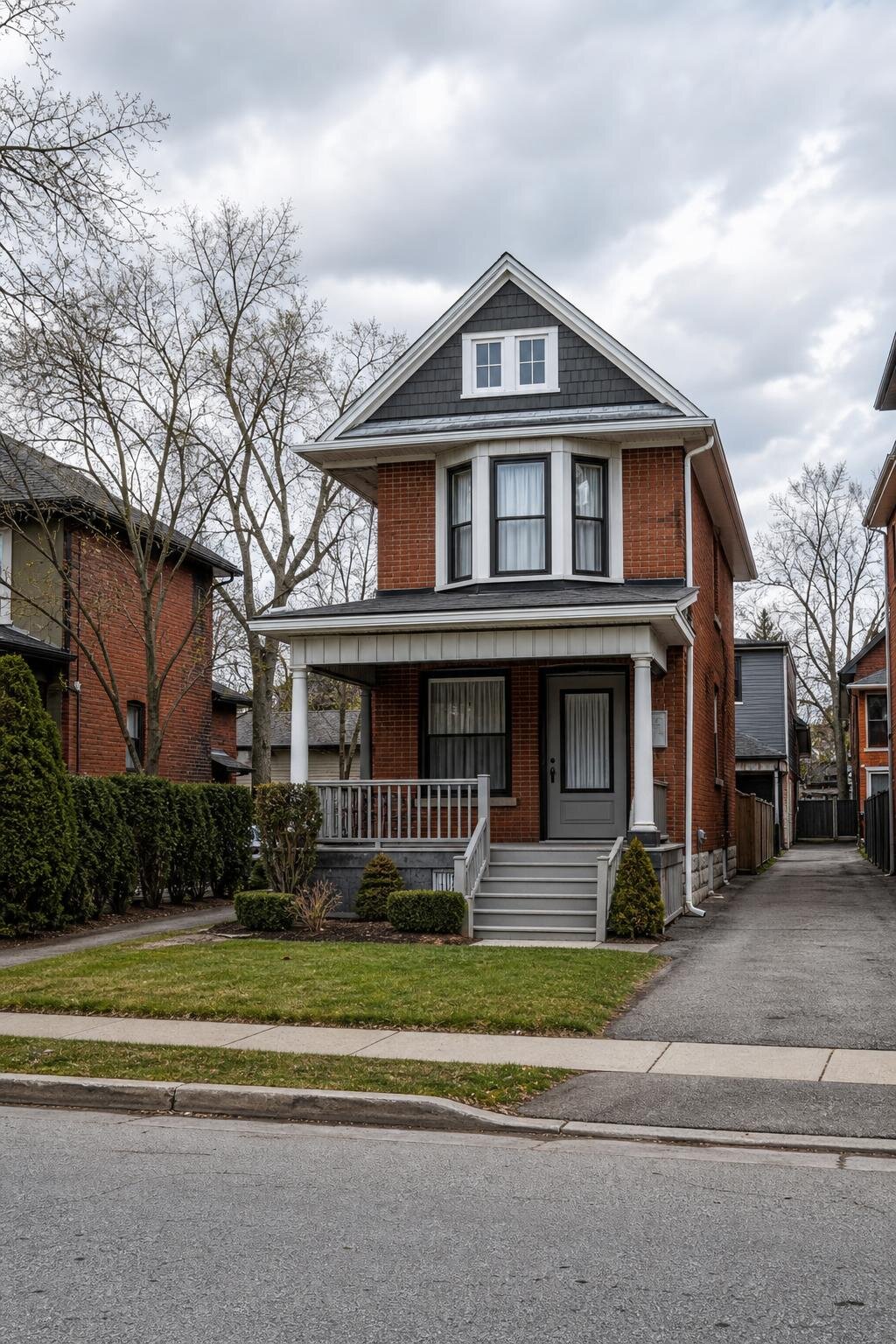
A few months ago I sat across the kitchen table from a woman in Crown Point whose mother had passed away the previous winter. The house on Britannia Avenue had been in the family for almost 40 years, and she wasn’t ready to sell it — not emotionally, not yet. She was still sorting through closets, still finding birthday cards tucked into drawers. Then a notice from the City of Hamilton showed up in the mail about the city’s vacant unit tax, and suddenly a house that was supposed to be a place to grieve quietly became a bill she hadn’t budgeted for.
I’ve seen this same scene play out in Stoney Creek, in Ancaster, and along the lower city streets near Barton. Hamilton homeowners who, for completely understandable reasons, end up with a property that sits empty — and then discover that an empty house in this city isn’t just an emotional weight, it’s a financial one too. If that’s where you are right now, I want to walk you through exactly what this tax is, why it catches so many good people off guard, and what your real options are.
What Is Hamilton’s Vacant Unit Tax, Exactly?
Hamilton, like Toronto and Ottawa before it, introduced a vacant unit tax aimed at residential properties that sit unoccupied for an extended stretch of the year. The idea behind the policy is to encourage owners to either live in, rent out, or sell properties that would otherwise sit dark and unused while the city deals with a housing shortage. In practice, it means homeowners are required to submit an annual declaration confirming whether their property was occupied, and if a home is found to be vacant for more than roughly six months of the year without an approved exemption, the city applies an additional tax calculated as a percentage of the property’s assessed value.
That might sound like a small administrative detail until you’re the one holding the bill. On a typical Hamilton home assessed in the $450,000 to $600,000 range, a vacant unit tax can add thousands of dollars to what you owe the city — on top of regular property taxes, on top of insurance for an unoccupied home, on top of utilities you’re still paying to keep pipes from freezing. For a family already stretched thin, or an estate still working through probate, that’s real money.
I’m not a tax professional, and the exact rate, exemption categories, and declaration deadlines change from year to year, so I always tell people: check the current numbers directly on the City of Hamilton’s website or with your accountant before you make a decision. What I can tell you, from sitting with dozens of Hamilton families in this exact situation, is how people typically end up here, and what their realistic paths forward look like.
How Hamilton Homeowners End Up with a Vacant House
Almost nobody plans for their house to sit empty. It happens gradually, usually because of a life event that takes priority over real estate decisions.
The most common scenario I see is inheritance. A parent or relative passes away, the house goes into their estate, and the family needs time to work through probate, sort belongings, and decide what to do. We wrote a detailed guide on what happens if you inherit a house in Hamilton that walks through this timeline, and the honest truth is that probate alone can take six months to over a year depending on how complicated the estate is. During that entire stretch, the house usually sits empty.
The second scenario is a loved one moving into long-term care. Their house in Dundas or Waterdown stays exactly as they left it — furniture in place, closets full — because nobody has the heart, or the time, to deal with it while they’re adjusting to a care facility and managing medical appointments.
Then there’s job relocation. Someone accepts a position in another city or province, the house in Hamilton doesn’t sell before they have to leave, and it sits vacant while they’re paying rent or a mortgage somewhere else entirely. I’ve also seen it happen with major fire or water damage, where a home near Gage Park or the Delta neighbourhood becomes temporarily uninhabitable during repairs, and the renovation drags on longer than anyone expected.
None of these are irresponsible choices. They’re ordinary life circumstances that happen to collide with a tax policy most people have never heard of until the notice arrives.
The Exemptions You Should Know About (And Why They Don’t Always Help)
Hamilton’s vacant unit tax program typically allows for certain exemptions — situations like the owner being in a hospital or long-term care facility, the property being under renovation with active permits, or the home being tied up in an estate going through probate. These exemptions exist for exactly the kinds of situations I described above, and if you qualify, you should absolutely file for them.
But here’s what I’ve seen trip people up: exemptions usually require documentation, a formal declaration filed by a specific deadline, and sometimes supporting paperwork like a death certificate, a care facility admission letter, or active building permits. If you miss the declaration window, or if your situation doesn’t fit neatly into one of the listed categories, you can end up owing the tax even though your reasons for the vacancy were completely legitimate. Estates in particular can fall through the cracks, because the person handling the paperwork is often an executor who is already managing a dozen other responsibilities and simply doesn’t know the declaration exists.
Ready to sell your house fast in Hamilton?
Or call us directly: 647-800-4508
Doing the Math: Carrying Costs vs. Selling Now
When a vacant unit tax notice shows up, most homeowners’ first instinct is to scramble for an exemption. That’s worth trying. But I always encourage people to step back and look at the bigger picture of what an empty house is actually costing them every single month, because the vacant unit tax is rarely the only expense.
Think about what’s piling up on a vacant property in Hamilton right now: regular property taxes, homeowner’s insurance (which is often more expensive for vacant homes because insurers consider them higher risk), utilities to prevent pipe freezing and mould, lawn care or snow removal so the city doesn’t flag the property for a bylaw violation, and now, potentially, the vacant unit tax on top of all of it. On a home in Ancaster or Stoney Creek, that can easily run $800 to $1,500 a month in carrying costs alone — money that isn’t building equity, it’s just maintaining a house nobody is living in.
I had a client last year with a property near McQuesten whose family had inherited the home from an uncle. They spent nearly eight months trying to decide what to do, hoping the market would improve, while paying taxes, insurance, and utilities the entire time. By the time they called us, they had spent close to $9,000 keeping an empty house standing. When we ran the numbers together, a fast, as-is cash sale months earlier would have put more money in their pockets than waiting had.
That’s not true in every situation — sometimes holding onto a property genuinely is the right call, especially if you’re close to finishing probate or you have a solid rental plan lined up. But it’s a conversation worth having honestly, with real numbers, rather than letting the house sit by default because dealing with it feels overwhelming.
Your Realistic Options If You’re Stuck with a Vacant Hamilton Property
If you’re staring down a vacant unit tax bill, or trying to avoid one, you generally have a few paths forward.
You could move into the property yourself, which immediately resolves the vacancy issue but obviously isn’t realistic for most families dealing with an inherited home or a relative’s house. You could rent it out, which satisfies the occupancy requirement, but that means becoming a landlord — finding tenants, handling maintenance calls, and taking on liability for a property that may need repairs before it’s even rentable. For a home that’s been sitting empty, bringing it up to a rentable standard can mean real money and time you may not have.
You could apply for an exemption if your situation qualifies, which buys you time without the tax hit, but as I mentioned, that requires paperwork and deadlines that are easy to miss when you’re already dealing with grief, a move, or a relocation.
Or you could sell. For a lot of the families I work with, once they do the math on carrying costs, insurance, the vacant unit tax, and the emotional weight of managing a property from a distance or during a hard season of life, selling as-is turns out to be the option that actually gives them relief rather than another ongoing obligation. If the property came to you through an estate, our guide on whether a house can be sold while it’s still in probate explains how that process works in Ontario, and in many cases you can get a sale moving well before probate is fully finalized.
Why Selling As-Is Solves More Than Just the Tax Problem
When I talk to homeowners about selling a vacant property, the vacant unit tax is usually just the trigger — the thing that finally forced the conversation. But underneath it, there’s almost always a longer list of stressors: a house that needs repairs nobody has the time or money to handle, furniture and belongings that still need to be cleared out, utility bills showing up every month for a place no one is using, and the quiet anxiety of driving past a dark house wondering if a pipe has burst or if it’s been broken into.
Selling a vacant house as-is to a cash buyer means you don’t have to paint, repair, stage, or even fully clear it out before closing. You don’t wait through a listing period hoping a buyer’s financing comes through. You don’t keep paying taxes, insurance, and utilities for months while a traditional sale works its way through the system. For families managing an estate, juggling a move, or caring for a relative in a care facility, that kind of simplicity is worth a lot more than squeezing out the last few thousand dollars a slower, traditional sale might theoretically bring.
If the home came from a relative’s estate, our guide on estate sale tips for Hamilton property owners covers some of the practical steps — from handling belongings to understanding what paperwork you’ll need — that make this kind of sale smoother.
What I’d Tell a Friend in This Situation
If you’ve got a vacant property somewhere between Dundas and Stoney Creek and a vacant unit tax notice just landed in your mailbox, don’t panic, but don’t ignore it either. First, check the current exemption categories and deadlines directly with the City of Hamilton — if your situation fits, filing is usually free and worth the paperwork. Second, add up what the house is actually costing you every month, not just in taxes but in insurance, utilities, and upkeep. Third, be honest with yourself about whether you have the time, money, and desire to become a landlord or finish renovations, or whether the simplest path forward is selling the property as-is and finally closing this chapter.
There’s no universally right answer. But there is a right answer for your specific situation, and it usually becomes obvious once you look at the real numbers instead of just the emotional weight of the decision.
Frequently Asked Questions
What counts as a “vacant” property under Hamilton’s vacant unit tax?
Generally, a home is considered vacant if it was not used as the principal residence of the owner, a family member, or a tenant for more than roughly six months of the calendar year. Exact thresholds and definitions can change, so always confirm current rules with the City of Hamilton.
Do I need to file a declaration even if my house wasn’t vacant?
In most municipalities with this type of tax, yes — all residential property owners are typically required to submit an annual occupancy declaration, whether the home was occupied or not. Missing the declaration can sometimes result in the property being assessed as vacant by default.
I inherited a house and it’s been empty during probate. Does that qualify for an exemption?
Many vacant unit tax programs include an exemption for properties tied up in an estate going through probate, but it usually needs to be claimed with supporting documentation like a death certificate or letters of probate. Don’t assume it’s automatic — check the declaration requirements directly.
Can I sell a vacant house in Hamilton before the tax is assessed?
Yes. If you sell before the vacancy threshold is met or before the declaration period closes, you may avoid the tax altogether, which is why many families choose to move quickly once they realize a property is going to sit empty for an extended period.
What if my vacant house also needs repairs I can’t afford?
This is extremely common, especially with inherited or long-unoccupied homes. Selling as-is to a cash buyer means you don’t have to invest in repairs before selling — the condition of the home is factored into the offer instead.
Will I get less money selling a vacant house as-is compared to listing it traditionally?
Not necessarily once you account for carrying costs. Months of taxes, insurance, utilities, and a potential vacant unit tax bill can erode the advantage of a higher traditional listing price, especially if the home needs work before it can be listed.
How fast can a vacant property actually close?
Cash sales on vacant homes can often close in a matter of weeks rather than months, since there’s no need to coordinate around a seller moving out, and no financing contingencies to wait on from a buyer.
Final Thoughts: You Don’t Have to Carry an Empty House Alone
Whether this house came to you through a loss, a move, or a season of life that got complicated faster than you expected, carrying an empty property in Hamilton — on top of a vacant unit tax notice — is a heavier load than most people realize until they’re in it.
If you’d like to talk through your specific situation, no pressure and no obligation, I’m happy to listen and help you figure out what makes sense.
Hamilton House Buyers 📞 647-800-4508
No pressure. No obligation. Just honest answers.